
What Is Peri-Peri Flavor?
Peri-peri is a blend of flavors. It gets its name from the Portuguese word for chilli, which is piri. The flavor also has origins in different parts of Africa and is associated with a strong chilli tradition.
While heat is an important aspect of peri-peri, it does not focus on heat to the same extent that some other sauces do. Alongside the chilli, the flavor of peri-peri can incorporate garlic, lemon and herbs, giving it a citrusy and garlicky flavor. The combination gives peri-peri a good base for flavorful grilled meats and other dishes.
Peri-peri is a flavor that is best enjoyed in grilled chicken and other similar dishes. It is best to start with mild flavors and work up to spicier sauces if heat is something you’re looking for.
With different versions of peri-peri and peri-peri flavored dishes popping up around the world, there has never been a better time to learn about this distinctive flavor.
Flavors similar to African bird’s eye chilli are known for their intense levels of heat.
The use of chillies in marinades and sauces gradually spread. Garlic, citrus and herbs also featured prominently in these sauces.
Popular in grilled chicken dishes, these sauces and marinades then appeared in restaurants and takeaway outlets throughout the UK and other countries.
Recipes for peri-peri dishes have evolved and, although the basic combination of chilli and citrus remains, there may also be other ingredients such as onion, ginger, cardamom, and tomato.
What Makes Peri-Peri Different from Regular Chicken Seasoning?
Many of the spices used in peri-peri seasoning may be similar to those used in other chicken seasoning blends (i.e. salt, pepper, paprika, garlic, etc.). However, citrus and peri-peri peppers are typically the distinguishing factors.
A peri-peri marinade is a blend of spices, citrus, and herbs, and can produce a sharper, tangier, and more aromatic flavor compared to simply seasoned chicken.
What Does Peri-Peri Taste Like? Understanding Its Flavour Profile
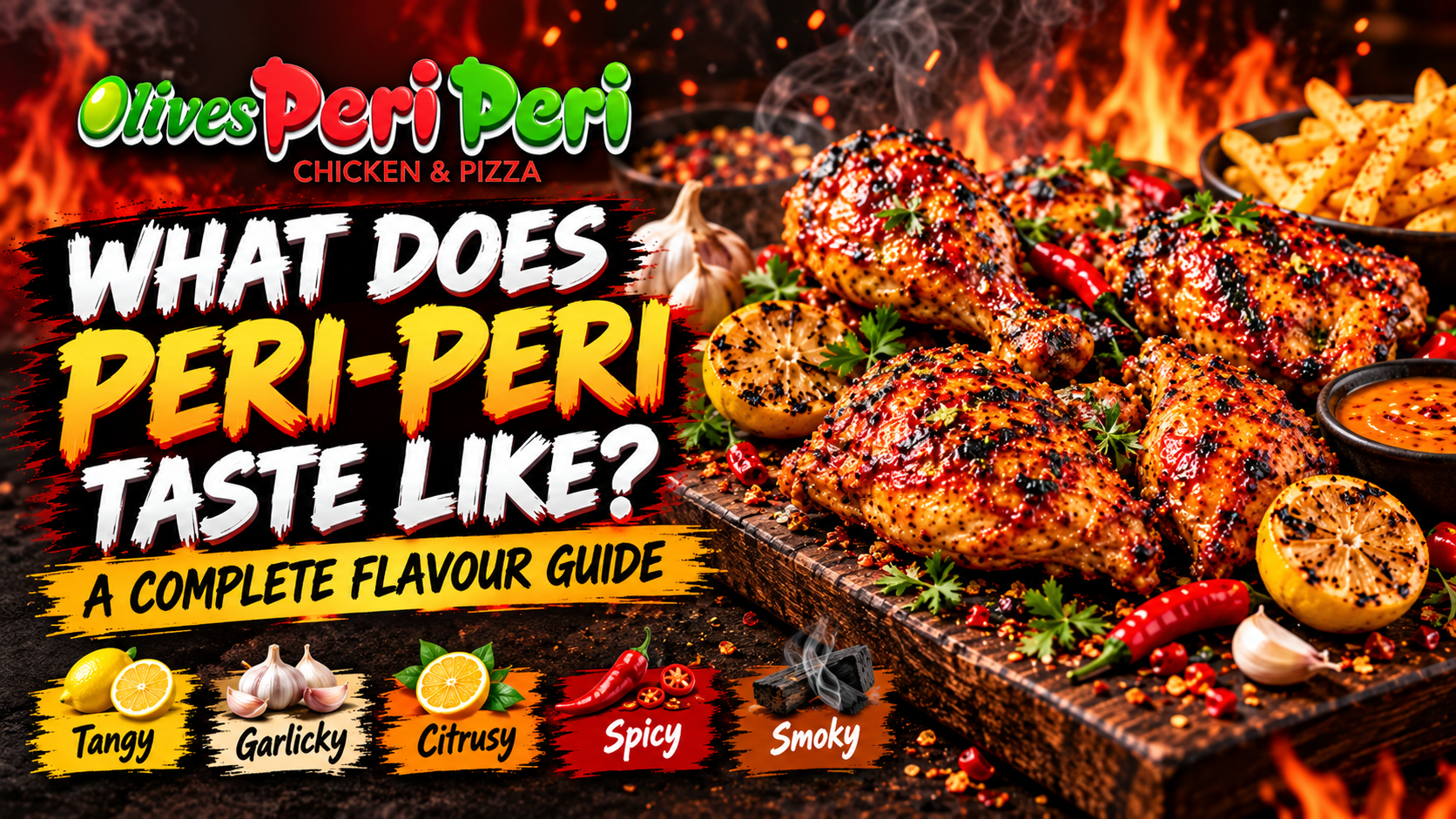
There are multiple ways to describe peri-peri flavor. It can be piquant (tangy and spicy), or it can contain citrus, herbs, and garlic. Other flavors might be present as well, but the above are some of the dominant flavor profiles.
If chicken has been grilled, it can even take on a smoky flavor.
Spicy – The Chilli Heat of Peri-Peri
African bird’s eye peppers are definitely some of the hottest peppers used in peri-peri sauce. What other flavors you may find in peri-peri sauce depends on the recipe.
It creates a gentle to an intense warming or burning sensation.
In the past African bird’s eye chilli were used, but nowadays different varieties or blends of chillies are used in peri-peri recipes.
The heat is caused by capsaicin, which is a natural occurring compound in chillies.
Peri-peri is spicy? Not necessarily, the amount and type of chillies determine how spicy it is.
Some peri-peri sauces are mild and only give a little warming sensation. Stronger recipes can give a strong chilli heat that lingers.
Tangy – Peri-Peri’s Citrus and Vinegar Flavor
Peri-peri is known to be a tangy sauce.
For the tanginess, most recipes use a base of lemon juice and vinegar.
The acidity in the sauce breaks through the richness of the chicken, and creates a lively flavor which is the perfect counterpart to the chilli.
Chicken peri-peri gets its flavour from the marinade and peri-peri sauce which is made up of a variety of herbs, chillies and garlic.
For milder peri-peri, the citrus flavor is really noticeable, and for spicier versions, the garlic is really noticeable.
Because of the garlicky, savory flavor of peri-peri, it is a perfect sauce for chicken, burgers and wraps.
Smoky- The Flavor of Flame-Grilled Chicken
Is peri-peri smoky? It can be, most notably when it’s used on chicken that’s been grilled over an open flame.
Cooking chicken over an open flame creates a fair bit of browning on the surface of the chicken, and in some instances, may create lightly charred areas.
Both of these may create a smoky flavor.
Apart from the process of grilling, other smoky ingredients, such as smoked paprika, may be present in a peri-peri seasoning blend.
A peri-peri sauce straight from the bottle usually doesn’t taste smoky.
Once grilled with peri-peri, an amazing smoky flavor may be created.
Is Peri-Peri Sweet, Sour or Spicy?
Compared to the other two elements, spicy and tangy peri-peri usually leans more toward spicy.
Of course, many factors may change this balance (i.e. how much or how little chili is used vs. how much or how little lemon is used).
The heat and the other tangy and spicy components may be balanced by the sweetness of garlic, herbs and spices.
In some commercial peri-peri sauces, sugar may be used to achieve a more rounded and full bodied flavor.
What Ingredients Give Peri-Peri Its Unique Taste?
Peri-peri uses several different ingredients to achieve its unique flavor.
Although there are variations to different peri-peri recipes, some ingredients are used constantly.
African Bird’s Eye Chilli- The Heat
African bird’s eye chilli is synonymous with peri-peri.
Because of the small size of these chillies, a greater surface area may be in contact with the other ingredients and create a more intense spicy character to the sauce.
However, the final peri-peri sauce may be less spicy than eating the chillies themselves, since other ingredients are blended with the chillies.
How Is Peri-Peri Originally Made?
Originally, peri-peri was fairly simple, with just chilis, oil and lemon juice.
Over the years, other ingredients began to be incorporated into various levels of complexity to achieve a uniquely balanced flavor.
Some older peri-peri recipes might have incorporated other ingredients, like tomato, mayonnaise or garlic.
In the last few decades, several other variations have been created to incorporate other herbs and spices and unique flavors into peri-peri sauces.
More Chilli = Hotter Sauce
Lemon Juice and Vinegar – The Tangy Ingredients
Lemon juice and vinegar are the final ingredients in our peri-peri sauce.
Lemon juice adds a sharp citrus flavor and helps mellow out the overall flavour of the sauce.
Vinegar has a similar effect and is another important ingredient in marinades since it contributes flavor before the protein is cooked.
Garlic, Paprika and Oregano – The Aromatic Ingredients
Oregano, with paprika and garlic, helps round out the final flavors of the seasoning.
Garlic helps adds a depth of flavor and richness to the sauce, and paprika, with its distinct peppery flavor and slight reddish-brown color, makes a nice contrast to the green of the oregano.
Onion and/or black pepper and other spices also add depth to the seasoning.
The result is a flavorful and robust peri-peri sauce that is good on a variety of foods.
What Does Peri-Peri Marinade Do to Chicken?
Peri-peri marinades help flavor the exterior of the chicken while it’s cooking.
During the cooking process, the marinade seals in juices, flavors, and helps toughen the meat.
A meat thermometer is your best friend to tell you when your chicken is ready.
The Marinade and Chicken are Now Best Friends
What Does Peri-Peri Sauce Taste Like?
The peri-peri marinade is a thin layer of herbs, seasonings, garlic and citrus that permeates the outer layers of the chicken.
When you try the chicken, you will find a delicate balance of heat from the chili peppers with garlicky and herbal flavors.
A classic peri-peri sauce has fewer vinegar notes and more rounded flavors than your average hot sauce.
It can have a thinner, more pourable consistency or a thicker, more spreadable consistency, like a creamy sauce.
Some are great for marinating chicken, while others are better as dipping or finishing sauces.
Is Peri-Peri Sauce Spicy or Mild?
It can be made to have any level of spice, depending on what kind of peppers are used and how much of them are used.
Generally, the less spicy versions are made to have more pronounced citrus and garlic, with herbs added as well.
The hotter versions definitely have more of a kick, but the citrus and garlic, as well as the herbs, are usually still present.
If you don’t like spicy food, choosing a milder version is a good idea.
Does Peri-Peri Sauce Taste Like Regular Hot Sauce?
Because both peri-peri and regular hot sauce use peppers and acidic ingredients, they can have similar bases.
Peri-peri sauce usually has a more pronounced garlic and citrus.
Compared to regular hot sauce, peri-peri sauce can have a better, more rounded flavor that works great as a marinade.
What Does Peri-Peri Seasoning Taste Like Compared to Sauce?
Dry peri-peri seasoning can be peppery, savory and herbal.
It can also be spicy, depending on what kind of peppers are used.
It usually has chilli powder, paprika and other spices.
With liquid ingredients added, peri-peri sauce has more of a rounded and full body flavor.
Sauces and dry seasoning both have their own advantages in flavouring chicken. Generally, sauces create a wet coating, whereas dry seasoning creates a coating with a different texture.
What About Different Levels Of Peri-Peri Spice?
One of the things that make peri-peri chicken so good is the fact it can be tailored to almost any level of spiciness.
Because of the nature of peri-peri sauces, there are usually levels of hotness as well as levels of clarity in flavor in terms of garlic and lemon.
What About Lemon and Herb?
Lemon and herb is typically one of the milder flavor styles of peri-peri chicken.
It tends to be fresh and aromatic with herbs, lighter, and less spicy.
What About Peri-Peri Marinades?
A peri-peri marinade gives chicken a double hit of flavor. The first hit is from the marinade, and the second is from the peri-peri seasoning that provides heat.
For flame-grilled chicken, there is an additional hit of flavor from roasting. Peri-peri seasoning provides a hit of heat and an aromatic flavor. The combination of peri-peri and roasting chicken make it a very popular meal.
Could some smoky flavor develop on the chicken from being grilled over an open flame?
Chicken that’s simply boiled or steamed will be different from the chicken in the example.
Is Peri-Peri Chicken Different from Fried Chicken?
Yes, grilled peri-peri chicken and fried chicken differ in flavor.
Chicken that’s prepared peri-peri style is usually spicy and smoky and has a tang to it.
Fried chicken has a crispy, savory coating.
Fried chicken can have peri-peri flavors on it, but it generally depends on how it’s prepared.
For more information, see our comparison of peri-peri and fried chicken.
What Makes Peri-Peri Chicken Grilled Flavors So Appealing?
The chicken is marinated in a seasoning that blends garlic, chilies, and citrus.
Chicken has a natural tendency to dry out when cooked over a grill, and the marinade helps add flavors to the chicken so it doesn’t taste bland.
Is Peri-Peri a Good Starter Flavor?
Many restaurants have a choice of spice levels, so you don’t need to enjoy extremely hot foods to try it.
Peri-peri can range from mild flavors of garlic, lemon and herbs to a hotter level that has more of a peri-peri flavor.
For a first time eater of peri-peri chicken, mild is the best option.
Other options include lemons and herbs, for example. This is a popular choice for people who prefer a more citrusy flavor and less chili heat.
These options give you a chance to sample the seasoning before trying the hotter options.
Can You Enjoy Peri-Peri Without Loving Spicy Food?
Of course! The key to Peri-Peri is not just the heat.
Garlic and citrus add a significant amount of the flavor.
So, if you really don’t like spice, you can always opt for a mild Peri-Peri sauce.
If you are extremely sensitive to spice, you can always check with the restaurant on what the mildest options would be.
Does Peri-Peri Taste Like Nando’s Chicken?
Sure, Nando’s is the most famous restaurant chain for peri-peri chicken, and so it’s understandable why many people may think that all peri-peri sauces would taste similar.
However, all restaurants can have their own unique peri-peri sauce recipe and seasoning balance.
Additionally, every restaurant can have their own unique grilling methods.
So, the taste may not always be identical.
What Food Goes Well with Peri-Peri Sauce?
Peri-peri sauce is very versatile and goes with pretty much anything savory.
From grilled vegetables, to different types of meat and even rice!
Best Side Dishes to Enjoy with Peri-Peri Chicken
Some of the most famous side dishes are:
· Rice- Absorbs the sauce and flavor of the chicken
· Pittas- Goes great with grilled chicken
· Coleslaw – Creamy texture and flavor provides contrast to spicy chicken
· Salad – Freshens up the meal
· Grilled Vegetables- Compliments the flavors of Peri-Peri Chicken
Choosing the right side dishes can help to make a balanced meal.
Does Peri-Peri Sauce Taste Good On Chicken Wings?
Peri-peri sauce is an excellent sauce to put on chicken wings.
The sauce sticks to the wings and offers a nice spicy and tangy flavor that compliments the chicken.
Grilling the wings with peri-peri sauce gives them a nice and subtle smoky flavor.
There are different levels of spice to choose from, which makes peri-peri wings a good option for people who want to try a new type of takeout.
Can I Get Peri-Peri Flavor On My Burgers And Wraps?
Using peri-peri seasoning on burgers and chicken in a pitta or wrap is very popular as well.
Like other pitta or wrap meals, peri-peri chicken goes great with a variety of salads, lettuce, tomatoes, and sauces.
If you like peri-peri chicken burgers, they are a good alternative to chicken burgers with mayonnaise or BBQ sauces.
Olives Peri Peri in Wallington Offers Great Peri-Peri Chicken
For peri-peri chicken in Wallington, Olives Peri Peri is a great place to get it.
They offer a variety of different peri-peri chicken dishes as well as wings, burgers, pittas, and other takeaway favorites.
You can order peri-peri chicken to your level of preference of spice.
If you haven’t tried peri-peri chicken before, you should order some from Olives Peri Peri to see what you’ve been missing.
Customers have the ability to look through different kinds of chicken platters and meals on the restaurant’s menu.
Olives Peri Peri’s featured menu changes frequently and has many choices.
Takeaway favorite Peri-Peri Wings & Burgers
Bold Peri-Peri flavour doesn’t just pair perfectly with chicken.
At Olives Peri Peri we also offer takeaway favourites like wings, burgers and pitas.
Choose different items for your takeaway to get a variety of flavours and sauces.
Place your order for Peri-Peri Chicken Takeaway in Wallington
Peri-peri chicken is always a great choice for takeaway. Whether you want to order chicken for lunch, dinner or to share with friends, peri-peri chicken is always a good idea.
Olives Peri Peri offers peri-peri chicken to customers in Wallington, and we also offer online ordering.
If you want something a little spicier than traditional grilled chicken in Wallington or are simply looking to try peri-peri chicken, check out our menu.
We look forward to serving you!
Is Peri-Peri Sweet or Spicy?
Since there is usually some sugar in a Peri-peri sauce recipe, many assume that Peri-peri sauce has a sweet taste. However, the sweetness is generally muted by the other ingredients and is not the dominant flavor, if it is present at all. The sauce has a spicy taste due to the chillies, and a tangy taste due to the citrus and vinegar.
Does Peri-Peri Sauce Taste Like Hot Sauce?
Hot sauces and peri-peri sauces are similar since they both have chillies and acidic flavors, but peri-peri sauces have more evident lemon, garlic and herbs, giving it a more prominent savory and citrus taste.
What Gives Peri-Peri Its Flavor?
The main ingredients that give peri-peri sauce its flavor are chilli peppers, garlic and citrus. Vinegar plays a huge part since it gives the sauce its tang and helps retain the flavors of the other ingredients. Other ingredients may include cilantro and other herbs and spices.
What Does Mild Peri-Peri Taste Like?
Mild peri-peri has a garlicky and mildly spicy flavor and a little bit of citrus and herbs. Peri-peri sauces can range from mild to incredibly hot. The heat depends on the restaurant and the recipe.
So, what does peri-peri taste like?
It has a unique combination of citrus, garlic, herbs and chilies. Peri-peri seasoning and hot sauces are very similar but peri-peri is usually made to have a balance between all the flavors and ingredients, unlike most hot sauces.
Flame grilling chicken also adds a smokey flavor to the chicken that complements the flavors of the peri-peri sauce.
There are several levels of heat in peri-peri sauces, and there are different ways to enjoy peri-peri flavors.
If you are in Wallington and want some peri-peri chicken takeout, Olives Peri-Peri has a variety of peri-peri flavored chicken dishes.